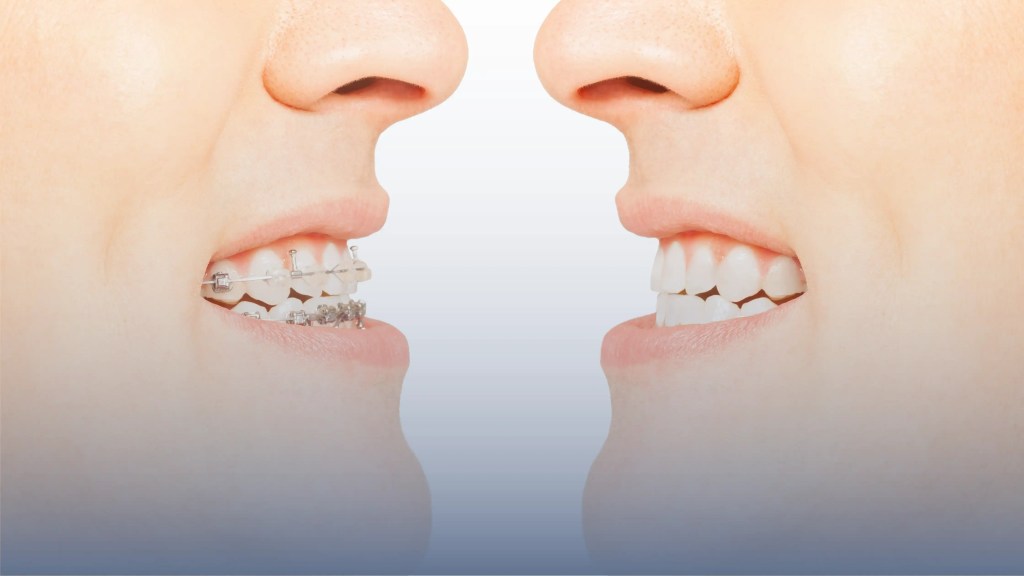
For many Filipinos, deciding between braces vs clear aligners is about confidence, lifestyle, and cost. Some remember classmates showing off colorful rubber bands like a badge of honor, while others today lean toward nearly invisible aligners for professional settings.
Both choices carry practical advantages and challenges that go beyond looks. At Dentaflix, patients often ask which option is better suited for them, and the answer usually depends on individual needs and daily routines.
What are the key differences between braces and clear aligners?

Braces and clear aligners work toward the same goal — properly aligned teeth — but they do so in very different ways. Braces are fixed to the teeth, usually with metal or ceramic brackets connected by wires. They are highly effective for correcting complex cases, including significant crowding or bite issues. On the other hand, clear aligners are removable plastic trays, designed to gradually shift teeth while blending almost invisibly into everyday life.
Modern braces in the Philippines now include self-ligating braces, which use clips instead of elastic bands. These reduce friction, allow faster adjustments, and often make the treatment more comfortable. Dentaflix also offers Orthero clear aligners, designed with the help of orthodontic planning. This ensures trays are precisely customized for each patient that result in more predictable and effective outcomes.
In practice, braces require more clinic visits for tightening and adjustments, while aligners are usually changed at home every one to two weeks. Braces can sometimes cause irritation on the cheeks and gums, but they are sturdy and less likely to be misplaced. Aligners, meanwhile, offer comfort and convenience, especially for those who prefer flexibility in eating and cleaning. For a working professional or a student active in sports, aligners may be easier to manage, while braces remain a dependable option for complex dental corrections.
How much does each option cost in the Philippines—and are they affordable?
Cost is one of the biggest concerns for patients choosing between braces and aligners in the Philippines. Traditional metal braces usually range from ₱30,000 to ₱70,000, with ceramic types costing slightly more. Self-ligating braces in the Philippines can cost more than regular braces but may shorten overall treatment time, balancing out the expense. Clear aligners, depending on the brand and case complexity, often start around ₱30,000 but can reach ₱100,000 or higher for advanced treatments. Installment plans are available at Dentaflix to make these treatments accessible to more patients.
Affordability also comes with perception. In Filipino society, braces once became a status symbol, signaling both financial means and care for appearance. Aligners are beginning to follow the same path, but they are also marketed as a lifestyle upgrade — sleek, modern, and professional. Many patients weigh whether the added cost of aligners is worth the convenience and aesthetics compared to braces.
Real-world practice shows that affordability isn’t just about the total cost, but about long-term value. Braces might involve more clinic visits, while aligners can save time and discomfort over the years. Choosing wisely depends not only on budget but also on the type of dental issue being corrected, the treatment timeline, and the patient’s ability to follow instructions — such as wearing aligners consistently for 20–22 hours a day.
Which fits your lifestyle better? (e.g., busy schedules, aesthetics, eating habits)
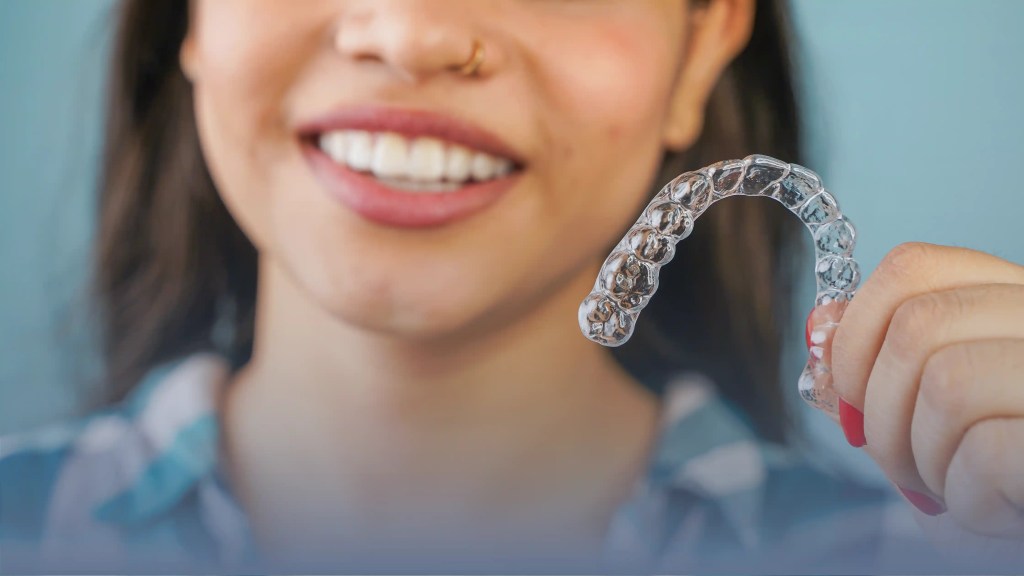
Lifestyle plays a critical role in orthodontic choices. Braces are fixed and require no daily decision-making, making them suitable for younger patients or those who want a hands-off approach. They remain on through meals, brushing, and every event of daily life. Clear aligners, by contrast, need discipline since they are removable. Forgetting to wear them long enough can delay progress.
For those with busy schedules, aligners may reduce the need for frequent clinic adjustments, since several trays can be provided in advance. Professionals in industries that value appearances — such as customer service, hospitality, or media — often prefer aligners because they’re nearly invisible in conversations and photos. Students or teenagers may enjoy the personalization braces bring, such as colorful rubber bands that become a fashion statement.
Eating habits also matter. Braces come with food restrictions: sticky or hard snacks can damage brackets and wires. Aligners allow more freedom since they are removed before eating, though this requires discipline to clean teeth before putting trays back in. For Filipinos who enjoy rice-based meals, sticky desserts, or crunchy street food, aligners might feel more convenient — as long as good oral hygiene is practiced afterward.
Are there safety concerns—like fake braces or DIY treatments we should avoid?
Unfortunately, the Philippines has seen a rise in fake or DIY braces, driven by the perception of braces as fashionable rather than medical. These unregulated products are not only ineffective but dangerous, leading to infections, tooth loss, and permanent damage. Social media trends sometimes glamorize them, but professional dentists and the Philippine Dental Association strongly warn against their use. Safe orthodontic treatment always requires licensed practitioners.
Another concern is the temptation to buy clear aligners online without professional supervision. While some advertisements claim affordability and convenience, aligners made without dental assessment risk misalignment and serious oral health problems. Proper clear aligner treatments involve detailed scans, customized trays, and regular monitoring by a dentist. Anything less sacrifices both safety and effectiveness.
New technology also means safer, faster treatment when done by professionals. Some clinics in the Philippines now use accelerated orthodontics tools — devices and techniques that help teeth shift faster with less discomfort. At Dentaflix, these advanced options are paired with certified orthodontic expertise to provide safer and more effective results. The best safeguard remains the same: consult a trusted dental clinic with proven experience.
Your Next Step Toward a Confident Smile
So when weighing braces vs clear aligners, the choice comes down to lifestyle, safety, and finding the treatment that will genuinely work for you in the long run. Dentaflix is here to guide you through that decision with certified expertise, gentle care, and options that fit your needs.
Let’s talk about what works best for you — and make your next smile the one you’ve always wanted. Book your schedule with us by sending us a message or by booking your appointment.
 Dentaflix Dental Clinic