A Refresh For Your Teeth
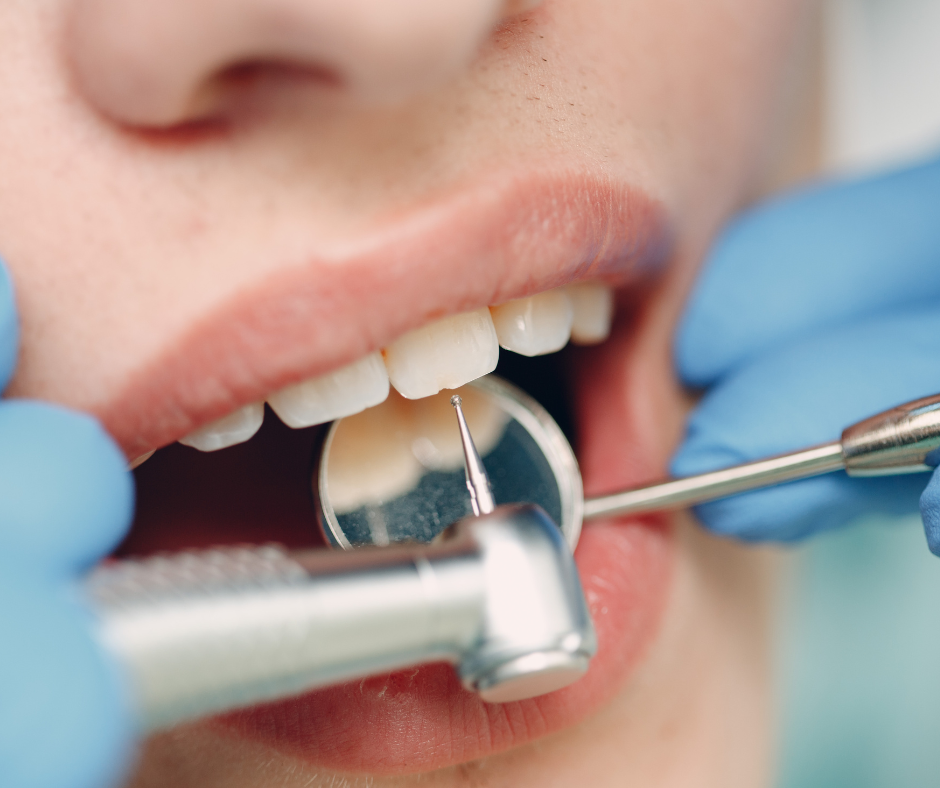
Dental cleaning serves multiple purposes, such as preventing gum disease by removing plaque and tartar buildup, reducing the risk of cavities by eliminating harmful deposits on your teeth, and combating bad breath by clearing away bacteria and food particles.
Dental professionals also use cleanings to detect potential issues early, like signs of decay or other dental problems.
Things To Remember About Oral Prophylaxis
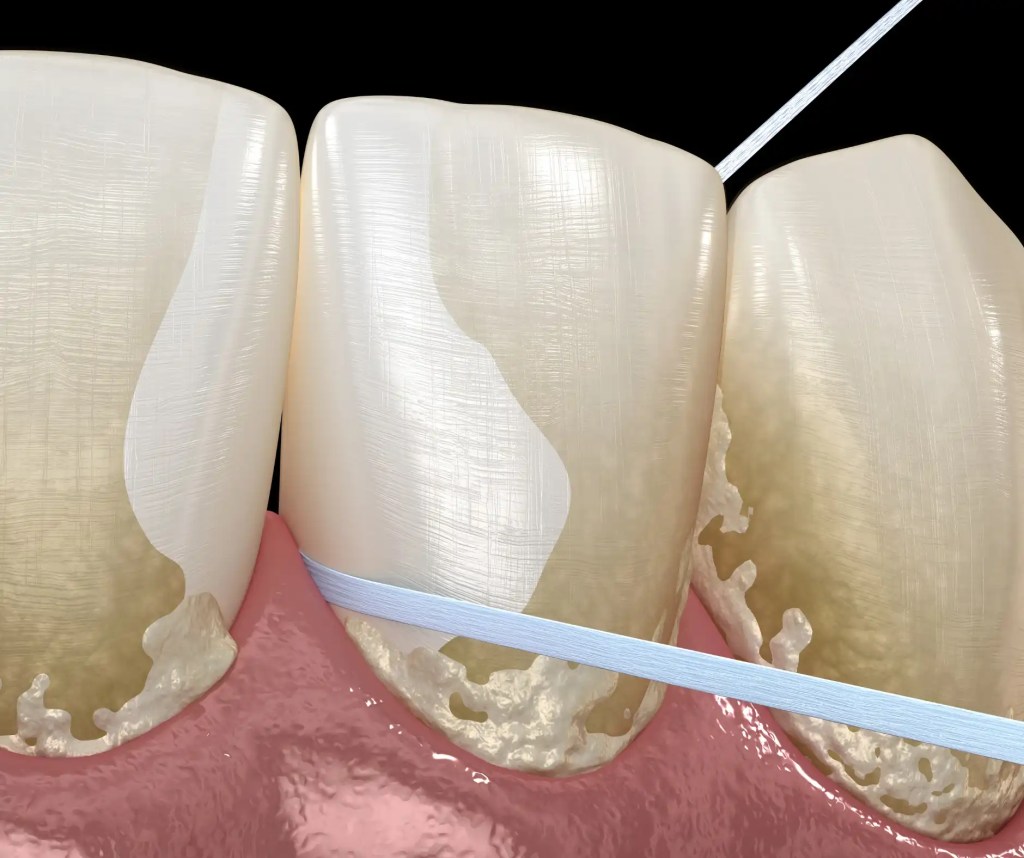
Plaque and tartar don’t just go away on their own.
Even with daily brushing and flossing, some buildup remains. Over time, plaque hardens into tartar, which can only be removed through professional cleaning.

A clean mouth supports your overall health.
Gum disease has been linked to heart problems, diabetes, and other systemic conditions. Regular oral prophylaxis helps keep harmful bacteria in check, protecting more than just your teeth.

It’s quick, painless, and essential.
A professional cleaning takes less than an hour and helps prevent cavities, bad breath, and gum disease. It’s a small investment for a healthier, fresher smile.
Frequently Asked Questions
How often should you have oral prophylaxis?
It is recommended that most adults have oral prophylaxis (dental cleaning) twice a year. However, some people may need to have their teeth cleaned more often, depending on their individual needs.
Who Should Have Regular Cleanings?
Everyone should have regular oral prophylaxis but you may need more if you fall under these categories.
- If you have healthy teeth and gums, you may be able to go longer between cleanings. However, if you have gum disease, cavities, or other dental problems, you may need to have your teeth cleaned more often.
- If you brush and floss your teeth regularly and thoroughly, you may be able to go longer between cleanings. However, if you don’t brush and floss your teeth regularly, you may need to have your teeth cleaned more often.
- If you eat a lot of sugary foods and drinks, you may be more likely to develop cavities and gum disease. This means that you may need to have your teeth cleaned more often.
- Some medical conditions, such as diabetes and pregnancy, can make you more susceptible to dental problems. This means that you may need to have your teeth cleaned more often.
 Dentaflix Dental Clinic